1. Understanding Nuclear Energy
One of the IAEA’s most popular articles in 2025 was the explainer on What is Nuclear Energy? Readers learned about how splitting atoms generates clean power without emitting greenhouse gases.
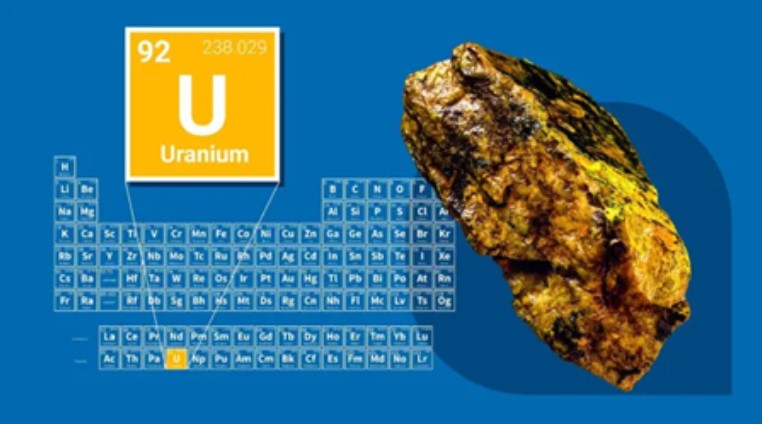
Most nuclear reactors in operation today are fuelled by uranium. Read the What is Uranium? explainer to find out where uranium comes from, how it is processed and why a chicken-egg sized amount of uranium fuel provides as much energy as 88 tonnes of coal.
2. New Advances in Nuclear Technology
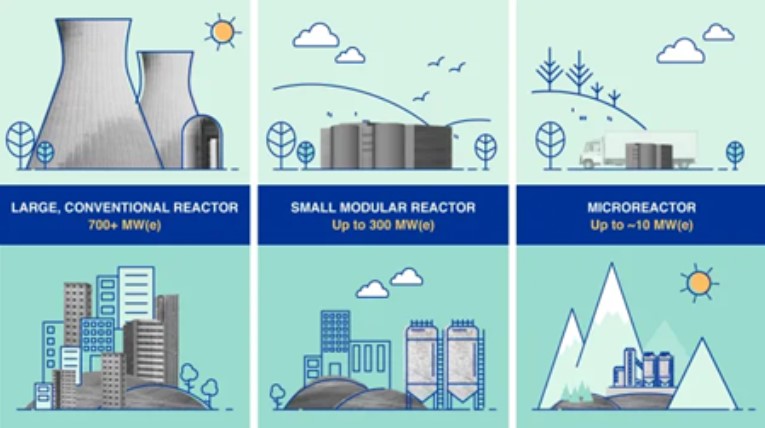
Small modular reactors (SMRs) are making headlines as a way of powering data centres for artificial intelligence, and our explainer on these and other promising advanced nuclear reactors, were among the most read of 2025.
The Molten Salt Reactors explainer showed how passive safety systems in these types of reactors could enhance the safety of nuclear power plants and revealed that these reactors are being designed to use new types of fuels, such as thorium.
3. Nuclear Fusion: Closer to Reality?
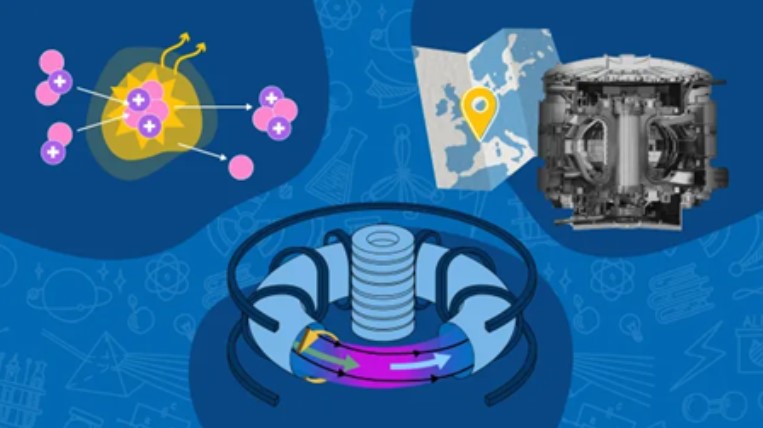
Nuclear fusion remains the ultimate energy goal, providing potentially limitless clean energy without greenhouse gases. Our What is Nuclear Fusion? explainer continued to rank among the most popular website content in 2025. Readers found out more about how fusion is developing around the world and how it differs from nuclear fission, which powers conventional reactors.
4. Peaceful Uses Beyond Energy
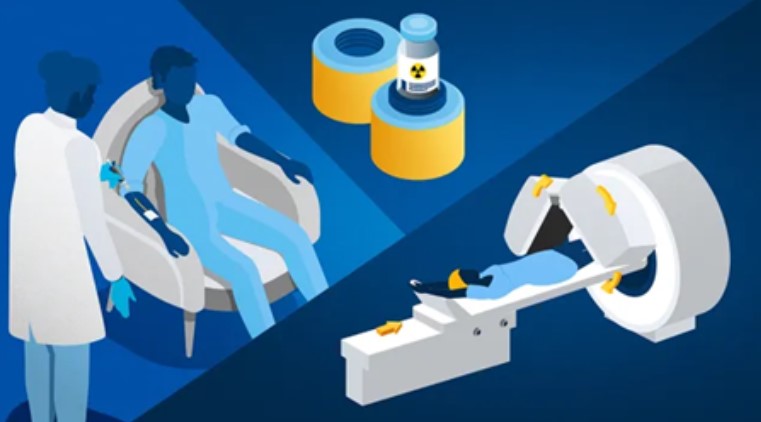
Beyond energy, the IAEA helps countries to benefit from nuclear science and technology in medicine, agriculture and food. Our isotopes explainer revealed how scientists use isotopes to find out the age and quality of water resources around the world and to track environmental pollution. The radiopharmaceuticals explainer delved into how radioisotopes can be used to treat or diagnose cancer and heart disease. And our cyclotron explainer showed how these important radioisotopes are produced.
Nuclear techniques can also bolster food security and sustainable agriculture as the IAEA’s explainers on food irradiation and the role of nuclear techniques in combatting soil erosion show.
5. Nuclear Safety and Security
Nuclear safety and security, which enables people to benefit from nuclear technology while protecting them and the environment from the harmful effects of ionizing radiation, are some of the most important areas of the IAEA’s work. In 2025, the What is Radiation? explainer helped readers understand the different types of radiation, its beneficial uses in health, energy, agriculture and industry and the safety measures that can protect people from harmful exposure to ionizing radiation.
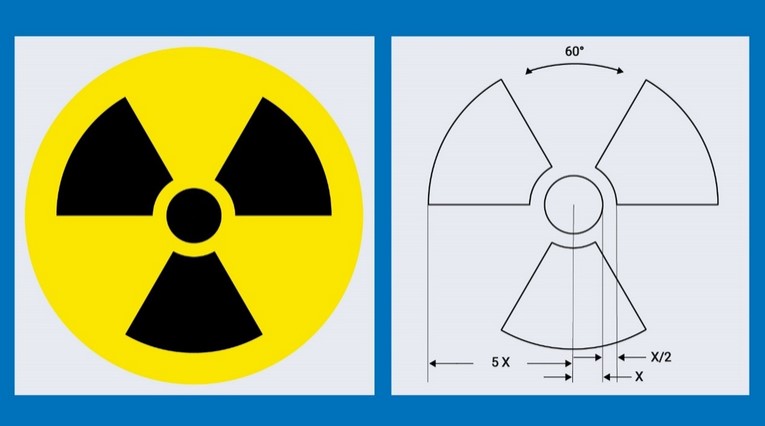
For those wanting to dive deeper, an explainer on the universal radiation symbol highlighted how international standardization leads to greater public awareness of the risks of ionizing radiation, reducing the risk of accidental exposure.
6. A Two Billion Year Old Nuclear Reactor
Finally, the story of Oklo, a natural nuclear reactor in Gabon, captured the imaginations of many readers. It shows that nuclear reactions occurred naturally in uranium deposits in western Equatorial Africa, long before the first dinosaurs appeared. The IAEA article Meet Oklo: Earth’s Two-Billion-Year-Old Natural Reactor will tell you more.
The popularity of these explainers shows a world eager to understand nuclear science and technology and benefit from clean energy, better health, enhanced agriculture, innovation and more.
Find more ‘Nuclear Explained’ articles, as well as videos and podcasts in this series, here.
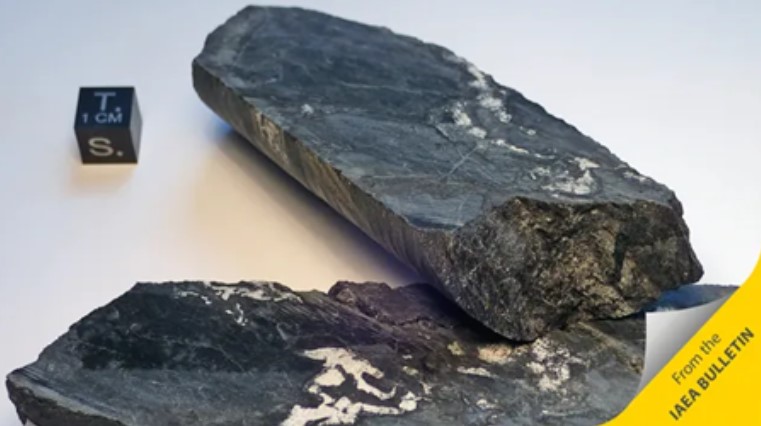
Samples of Oklo donated to Vienna's Natural History Museum. (Photo: Ludovic Ferriere/Natural History Museum).
(www.iaea.org)